
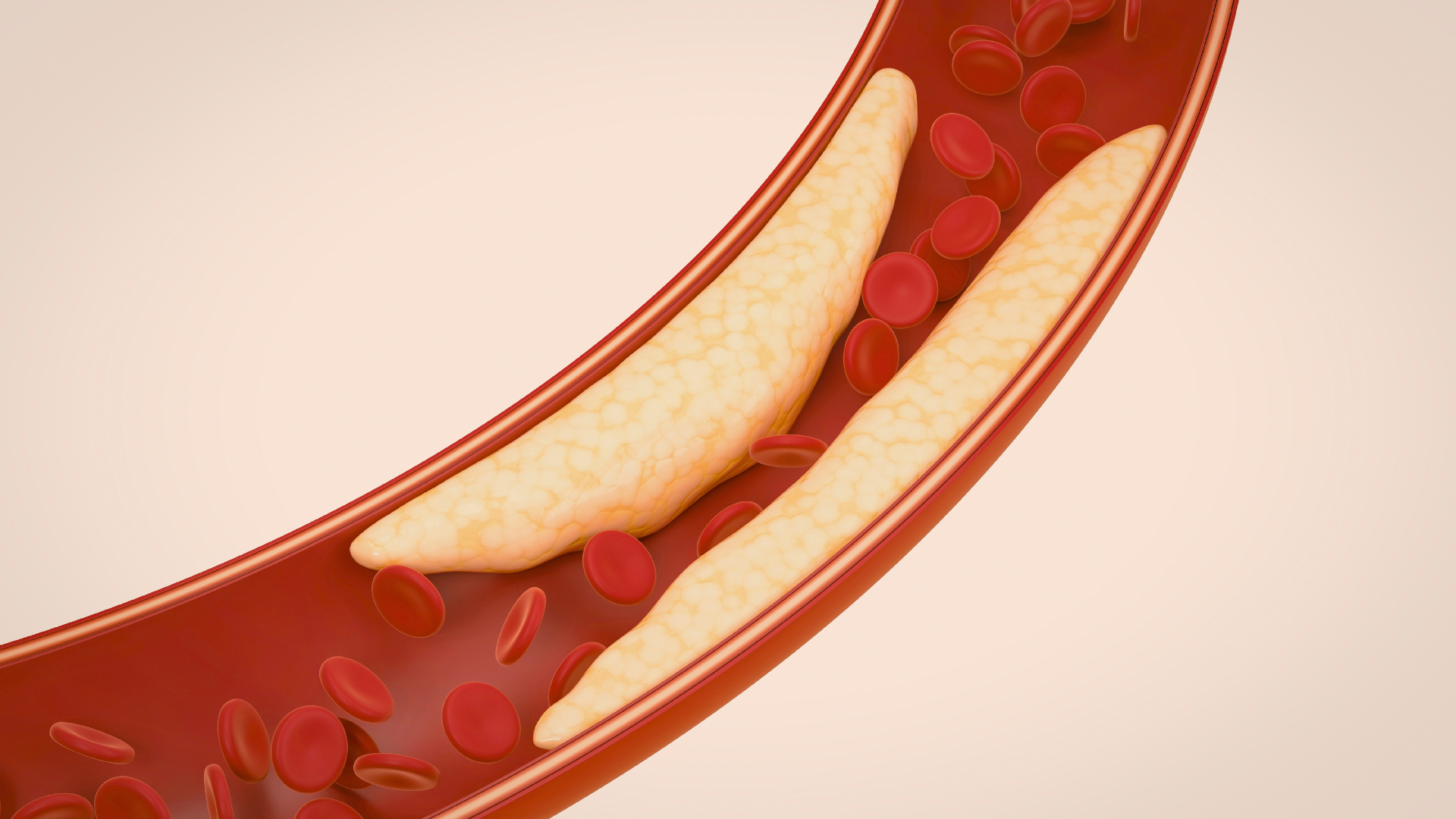
Cholesterol is often viewed negatively, commonly associated with heart-related concerns. However, cholesterol plays an essential role in the body and is vital for maintaining normal cellular function.
Rather than seeing cholesterol as simply “good” or “bad,” it’s important to understand how it works within the body—especially at the cellular level.
Not all cholesterol is harmful—balance is what truly matters.
Understanding Cholesterol
Cholesterol is a type of fat-like substance found in the bloodstream and within cells. It is necessary for several important functions, including:
- Building and maintaining cell membranes
- Supporting hormone production
- Assisting in nutrient transport within the body
There are generally two main types:
- LDL (Low-Density Lipoprotein) – often referred to as “bad” cholesterol when elevated
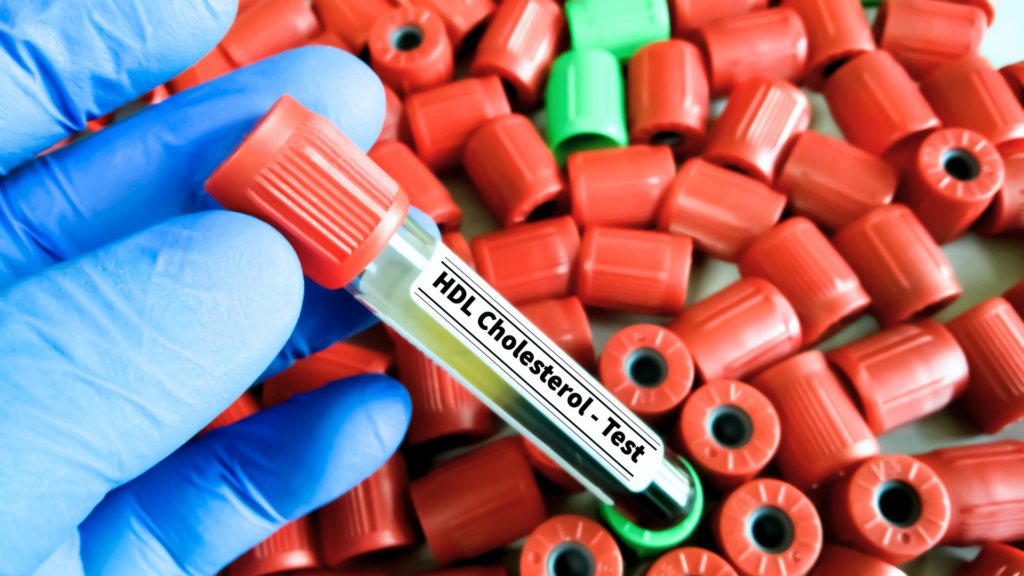
- HDL (High-Density Lipoprotein) – known as “good” cholesterol that helps remove excess cholesterol
Maintaining a healthy balance between these is key to overall health.
Cholesterol at the Cellular Level
At the cellular level, cholesterol is essential for maintaining the structure and function of cell membranes.
It helps:
- Maintain membrane stability
- Support communication between cells
- Regulate the movement of nutrients in and out of cells
However, when cholesterol levels are imbalanced, these processes may be affected—impacting how efficiently cells function.
Imbalance and Its Effects
When cholesterol levels are not well regulated, it may contribute to broader health concerns.
Imbalance can be associated with:
- Reduced circulation efficiency
- Increased inflammation
- Slower cellular response and repair
- Reduced overall system balance
Over time, these effects may influence how the body performs, recovers, and maintains long-term wellness.
Supporting Balance and Function
Managing cholesterol is not just about lowering levels—it’s about supporting overall balance within the body.
This includes:
- Supporting healthy circulation
- Promoting efficient nutrient delivery
- Enhancing cellular function
- Maintaining internal balance
When the body functions efficiently at the cellular level, it is better equipped to support overall health.
A Smarter Approach to Health
Modern wellness approaches are shifting toward supporting how the body functions internally, rather than focusing on isolated markers alone.
By improving how the body absorbs and utilizes nutrients, it becomes possible to:
- Support cellular efficiency
- Enhance natural balance
- Promote better long-term outcomes
This approach focuses on working with the body—not just addressing surface-level concerns.
Better health is not about extremes—it’s about balance at the cellular level.
Cholesterol is a vital part of the body’s natural processes, especially at the cellular level.
By understanding its role and supporting the body’s internal balance, it is possible to move beyond misconceptions and toward a more effective approach to long-term health.