
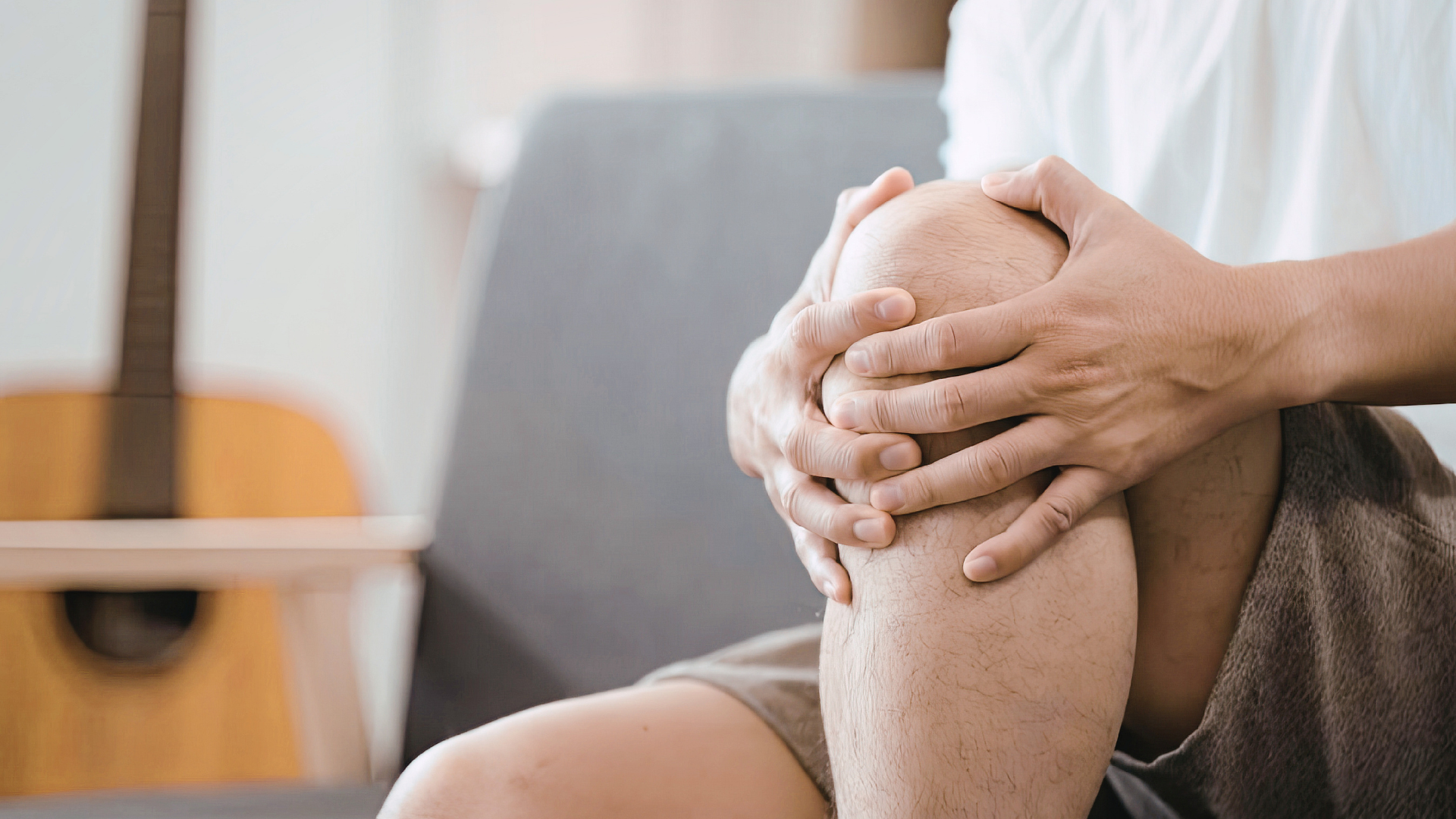
Knee pain is one of the most common issues affecting people of all ages—from active individuals to those experiencing the effects of daily strain or aging.
It can limit movement, reduce comfort, and impact overall quality of life.
While many people turn to quick fixes for relief, true and lasting improvement begins with understanding what’s happening beneath the surface.
Health is complex—symptoms don’t tell the whole story.
We go deeper to understand the cause and address it at its root.
Why Knee Pain Happens
Knee pain is rarely caused by a single factor. In most cases, it is the result of multiple underlying issues working together.
Common contributing factors include:
- Inflammation within the joint
- Muscle imbalances or weakness
- Poor circulation around the knee
- Repetitive strain or overuse
- Age-related wear and degeneration
These issues can affect how the knee functions, leading to discomfort, stiffness, and reduced mobility over time.
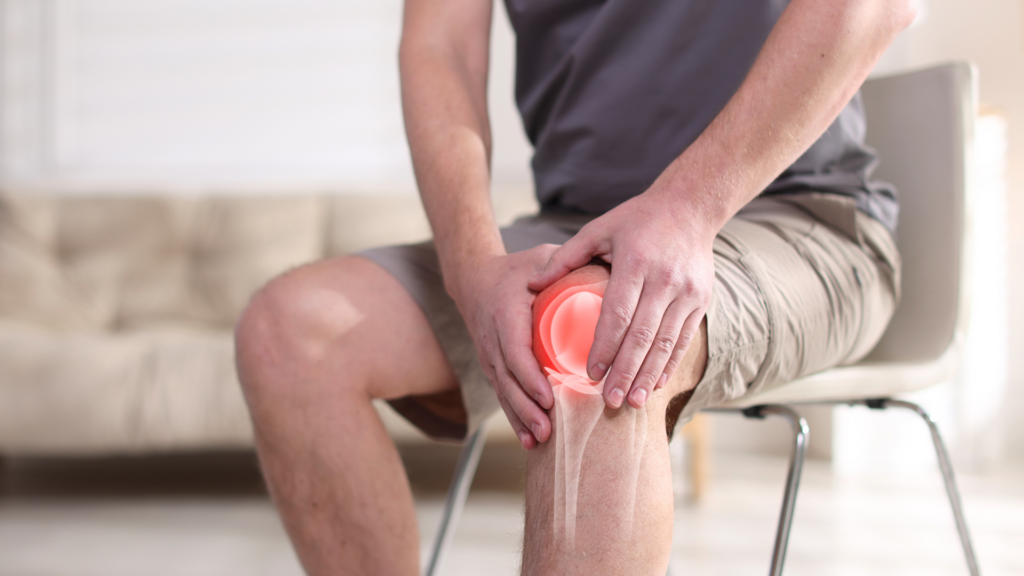
The Limitations of Temporary Relief
Many conventional approaches—such as painkillers or topical treatments—focus on reducing symptoms rather than addressing the root cause.
While these methods may provide short-term comfort, the underlying issues often remain unresolved. This is why knee pain can return or persist over time.
Supporting Long-Term Knee Health
Effective knee pain management focuses on supporting the body’s natural recovery processes.
This includes:
- Improving circulation to affected areas
- Reducing inflammation at its source
- Supporting tissue repair and regeneration
- Enhancing overall joint function
When these processes are supported, the body is better able to recover and maintain long-term function.
A Smarter Approach to Knee Pain Management
Modern wellness solutions are shifting toward non-invasive and science-informed approaches that work in harmony with the body.
These approaches aim to:
- Deliver targeted support directly to affected areas
- Improve absorption of active compounds
- Support cellular repair and recovery
- Enhance the body’s natural healing response
This results in a more sustainable and effective way to manage knee pain—without relying solely on temporary fixes.
Lasting relief begins by addressing the root cause—not just the symptoms.
Knee pain may be common, but it doesn’t have to be a long-term limitation.
By understanding its underlying causes and supporting the body at a deeper level, it’s possible to move beyond temporary relief and toward lasting improvement.